
Dubai’s history is a remarkable journey from a small fishing village in the 18th century to a global metropolis. Founded by the Al Maktoum family, Dubai initially thrived on pearl diving and trade. The discovery of oil in the 1960s sparked rapid development, transforming the city with ambitious infrastructure projects. In 1971, Dubai helped form the UAE, and under the leadership of Sheikh Mohammed bin Rashid Al Maktoum, it evolved into a world-renowned hub of commerce, tourism, and innovation. Today, Dubai is a vibrant city that seamlessly blends tradition with modernity.
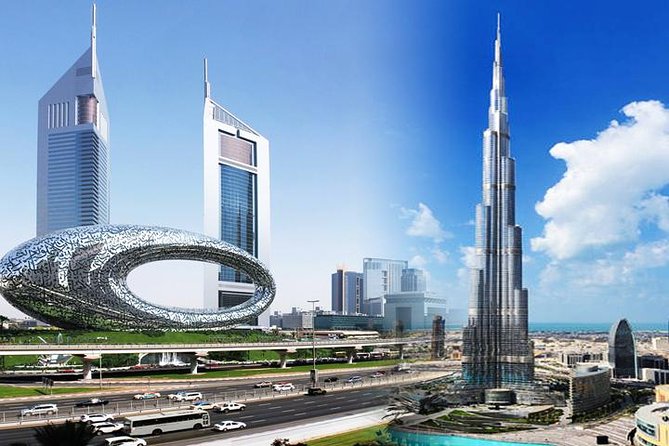
Dubai, a city with a rich and intriguing history, has evolved from a modest fishing village into a global metropolis in just a few decades. Located on the southeastern coast of the Arabian Peninsula, its story is one of transformation and vision.
Dubai, located on the southeastern coast of the Arabian Peninsula, is part of the United Arab Emirates (UAE). Its geography is characterized by a blend of natural features and human-made marvels:
Dubai’s coastline stretches along the Arabian Gulf, offering a series of beautiful sandy beaches and vibrant waterfronts. The city’s landscape is dominated by a flat, arid desert terrain that extends inland, marked by sandy dunes and rocky outcrops. This desert environment creates a stark contrast with Dubai’s urban development.
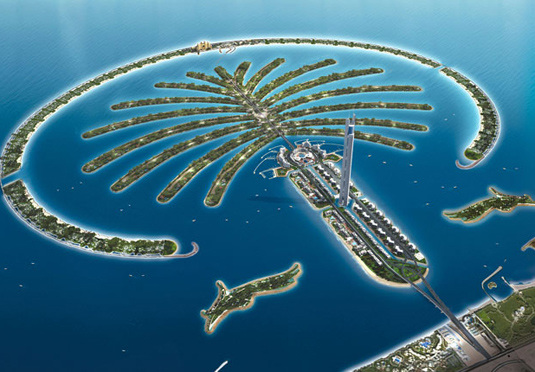
One of Dubai’s most striking geographical features is its extensive reclamation projects, including the famous Palm Jumeirah and The World islands. These artificial islands have reshaped the coastline, adding unique landforms and boosting the city’s appeal as a luxury destination.
The city is also home to several notable landmarks such as the Burj Khalifa, the world’s tallest building, and the Burj Al Arab, an iconic luxury hotel designed to resemble a sail. The Dubai Creek, a natural seawater inlet, historically served as a vital trading route and continues to be a key feature of the city’s landscape.
Overall, Dubai’s geography combines its natural desert environment with innovative urban planning, creating a distinctive and dynamic cityscape.
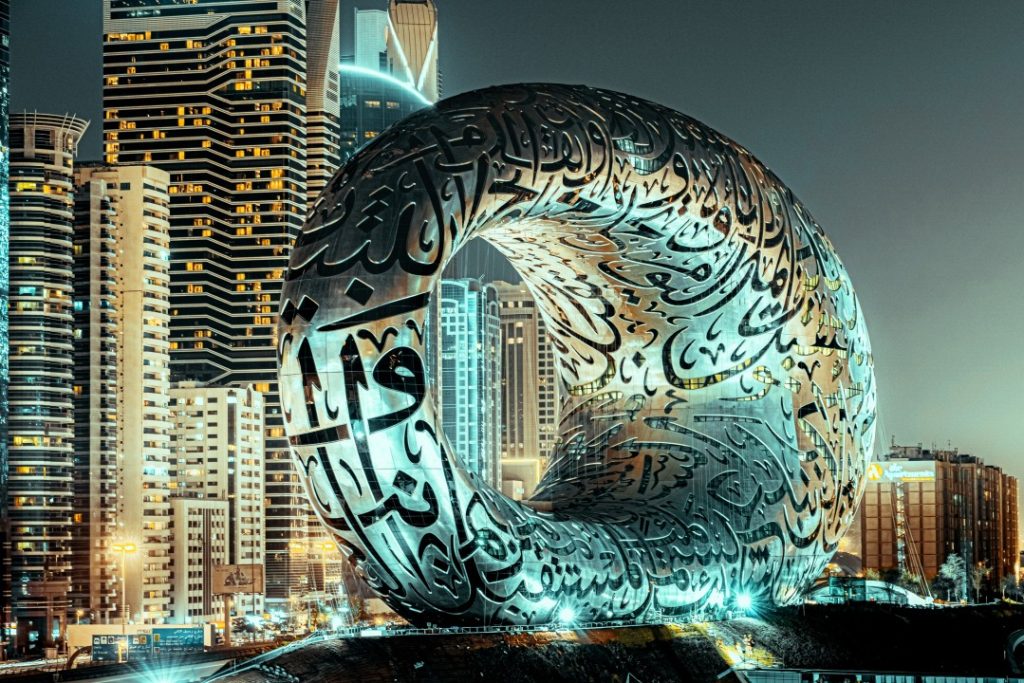
Dubai’s economy is a dynamic and diversified force on the global stage. Once heavily reliant on oil, the city has successfully expanded into key sectors such as trade, tourism, real estate, and finance. Its strategic location makes it a major trade hub, with bustling ports facilitating international commerce. Tourism also plays a significant role, drawing millions with its luxury resorts and iconic landmarks. The real estate sector continues to shine with high-profile projects like the Burj Khalifa. Dubai is also a leading financial center, with the Dubai International Financial Centre (DIFC) driving economic activity. Furthermore, the city is investing in technology and innovation, aiming to become a smart city with advancements in digital and sustainable technologies.
Dubai’s climate is defined by its arid desert environment, featuring extremely hot summers and mild winters. From June to September, temperatures frequently exceed 40°C (104°F), with high humidity levels making the heat feel more intense. In contrast, winter temperatures from December to February are much more comfortable, ranging between 14°C and 24°C (57°F to 75°F), ideal for outdoor activities. Spring and autumn offer warm and transitional weather, with temperatures gradually rising or falling. While Dubai’s high summer temperatures and humidity can be challenging, the milder winter climate makes it a popular destination during those months.
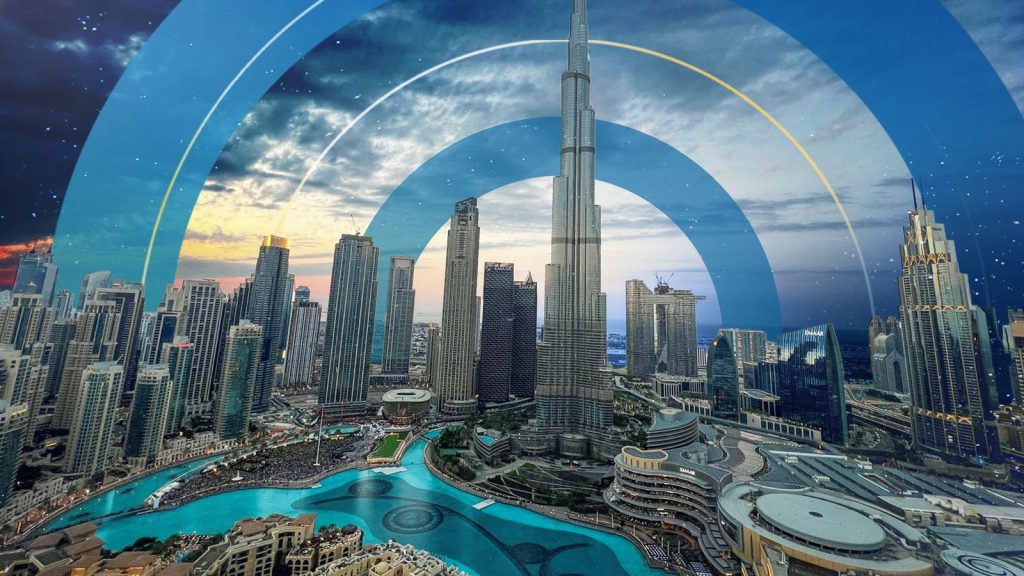
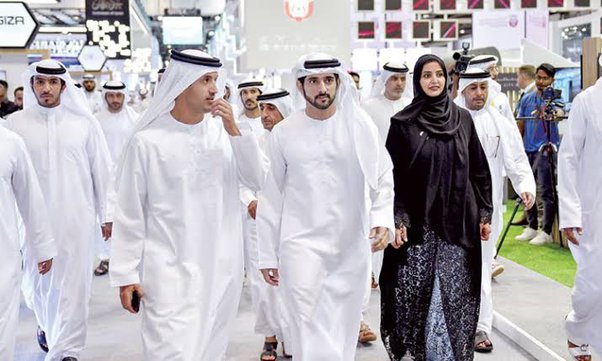
Dubai’s culture is a unique fusion of traditional Bedouin heritage and contemporary global influences. Deeply rooted in Islamic principles, the city reflects its historical values through its customs, architecture, and public behavior. Traditional Emirati practices, such as hospitality and family values, are celebrated in cultural festivals, music, dance, and cuisine, with landmarks like the Jumeirah Mosque highlighting its Islamic architectural legacy.
Simultaneously, Dubai is a cosmopolitan hub that embraces diversity. Its vibrant cultural scene features a rich mix of international cuisines, global festivals, and a dynamic art scene. The city’s modern architecture, including iconic skyscrapers and luxury developments, symbolizes its forward-looking spirit. Cultural institutions like the Dubai Opera and Dubai Museum bridge traditional and contemporary artistic expressions, showcasing the city’s commitment to both its heritage and its role as a global metropolis. This blend of old and new creates a distinctive cultural landscape that defines Dubai’s identity on the world stage.
Dubai’s population is a vibrant mosaic of cultures and nationalities, reflecting its status as a global business and tourism hub. The city is home to a diverse mix of residents, with expatriates constituting the majority. People from over 200 countries live and work in Dubai, contributing to its rich cultural fabric. Emiratis make up a smaller portion of the population, but their presence is central to the city’s identity and heritage.
Rapid population growth has accompanied Dubai’s economic expansion, with new residents arriving to take advantage of the city’s opportunities and high standard of living. The population is primarily concentrated in the urban areas, where modern high-rise apartments and residential communities provide a range of housing options. This dynamic demographic landscape is a testament to Dubai’s global appeal and its role as a melting pot of cultures and nationalities.

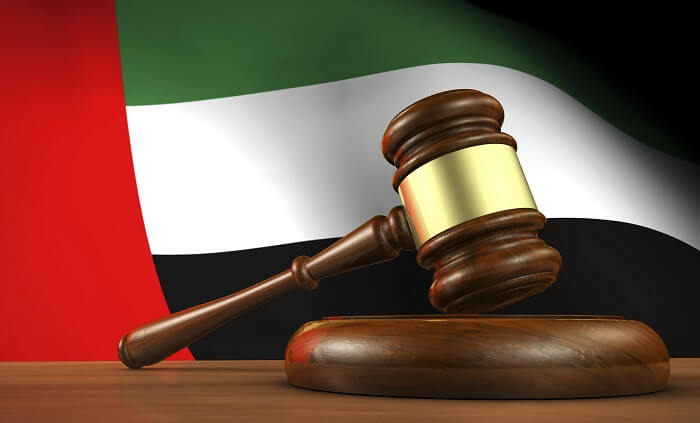
Dubai’s legacy system embodies the foundational elements that have driven the city’s rapid transformation into a global hub. Rooted in its early development efforts, this system includes the pioneering urban planning that introduced iconic structures like the Burj Khalifa and Palm Jumeirah, along with an evolving infrastructure that supports a burgeoning population. The governance framework, initially traditional, has adapted to accommodate the needs of a modern economy, incorporating innovative regulatory practices such as free zones to attract international business. Together, these elements have created a robust foundation that continues to support Dubai’s growth and global prominence.
Dubai, a city with a rich and intriguing history, has evolved from a modest fishing village into a global metropolis in just a few decades. Located on the southeastern coast of the Arabian Peninsula, its story is one of transformation and vision.
The education system in Dubai is a diverse and dynamic landscape that caters to its multicultural population. It includes a variety of schools, such as public institutions managed by the UAE Ministry of Education, private schools offering various curricula (including British, American, Indian, and International Baccalaureate), and vocational training centers. Early childhood education is emphasized through numerous nurseries and preschools that focus on play-based learning. The Knowledge and Human Development Authority (KHDA) plays a crucial role in regulating private schools and ensuring high educational standards through regular inspections. The system promotes inclusivity, accommodating students from over 200 nationalities and providing specialized programs for those with special needs. In higher education, Dubai hosts several international universities that encourage research and innovation. The ongoing integration of digital learning, accelerated by the COVID-19 pandemic, is reshaping educational practices. Overall, aligned with the UAE’s Vision 2021, Dubai’s education system is committed to fostering creativity, critical thinking, and preparing students for success in a globalized world.

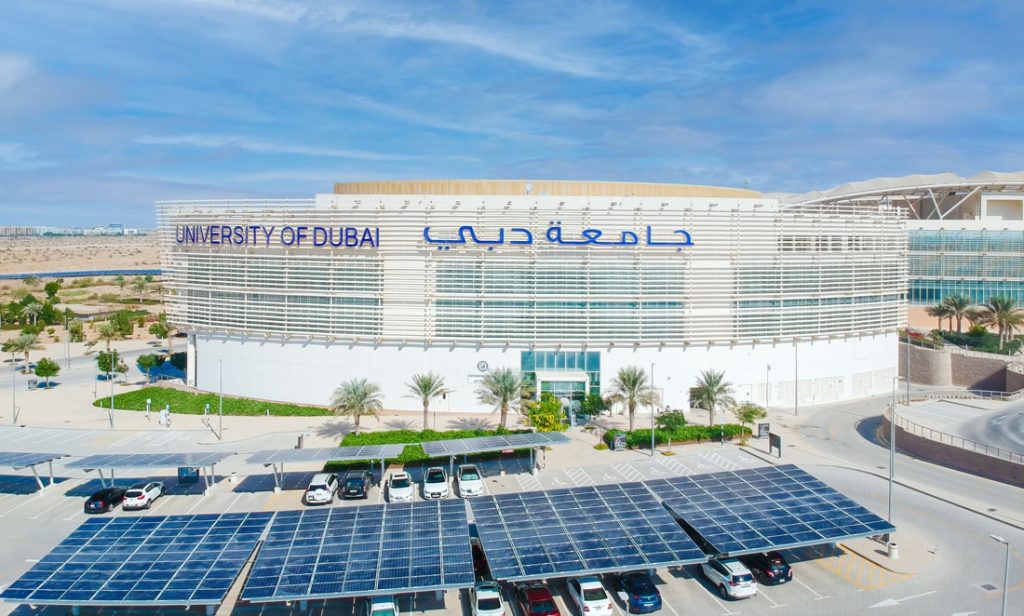
In Dubai, the philosophy of “Any Major is Welcome” promotes inclusivity in higher education and employment, recognizing that diverse academic backgrounds can bring valuable skills and perspectives to various fields. This approach encourages students from all disciplines—whether in the arts, sciences, business, or technology—to explore opportunities without being confined by their specific areas of study.
Universities in Dubai often emphasize interdisciplinary collaboration, allowing students to work together on projects and initiatives that draw from different fields. This fosters innovation and creativity, preparing graduates for a dynamic job market that values adaptability and critical thinking.
Employers in Dubai also appreciate the versatility of candidates from various majors, understanding that diverse experiences enhance problem-solving and drive progress. By embracing this inclusive mindset, Dubai not only broadens career opportunities for graduates but also cultivates a vibrant and diverse workforce, contributing to the emirate’s growth as a global economic hub.
Dubai is home to a range of educational institutions that offer globally recognized qualifications, making it an attractive destination for students seeking high-quality education. Many universities in Dubai are accredited by international bodies and collaborate with renowned institutions worldwide, ensuring that their programs meet rigorous academic standards.
This recognition allows graduates to have their qualifications valued not only in the UAE but also globally, enhancing their employability in an increasingly competitive job market. Fields such as business, engineering, and healthcare are particularly well-represented, with programs often aligned with international curricula.
Moreover, Dubai’s commitment to maintaining high educational standards is supported by regulatory bodies like the Knowledge and Human Development Authority (KHDA), which oversees private education and ensures quality assurance. This focus on excellence positions Dubai as a hub for students looking to obtain credentials that will be respected and recognized around the world, paving the way for successful careers both locally and internationally.
Dubai places a strong emphasis on uncompromising quality assurance in its education sector, ensuring that institutions provide high standards of teaching and learning. The Knowledge and Human Development Authority (KHDA) plays a crucial role in regulating private schools and universities, conducting regular inspections to assess educational quality and performance.
Through rigorous accreditation processes, institutions must meet specific criteria related to curriculum, faculty qualifications, student support services, and infrastructure. This commitment to quality helps maintain high educational standards and enhances the overall student experience.
Additionally, many universities in Dubai partner with internationally recognized organizations and institutions, further ensuring that their programs align with global standards. This focus on quality not only benefits students by providing them with a robust education but also enhances Dubai’s reputation as a leading hub for higher education in the region. Ultimately, the emphasis on quality assurance supports the emirate’s vision of fostering innovation and excellence in education.
Dubai is widely regarded as a great place to live and study, offering a unique blend of modern amenities, cultural diversity, and a vibrant lifestyle. The city boasts a world-class infrastructure, including state-of-the-art educational institutions, extensive public transportation, and a range of housing options that cater to various budgets.
The multicultural environment in Dubai enriches the student experience, allowing individuals from over 200 nationalities to interact and collaborate, fostering global perspectives and friendships. Additionally, the emirate is known for its safety and stability, providing a secure environment for both residents and international students.
Beyond academics, Dubai offers a wealth of recreational activities, from shopping and dining to outdoor adventures and cultural events. Iconic landmarks like the Burj Khalifa, vibrant neighborhoods, and a thriving arts scene contribute to a lively atmosphere that keeps students engaged and inspired.
With its commitment to quality education, a diverse community, and a high standard of living, Dubai stands out as an exceptional destination for students looking to enhance their academic and personal growth.
Join us to explore your study abroad options and see how our expert team can support your educational journey. We’re excited to help you achieve your global academic goals!