New Zealand
Explore the beauty of New Zealand
all you need to know
History about New Zealand:
In 1642, Dutch explorer Abel Tasman was the first European to discover New Zealand. He was also the first person to attempt mapping the islands with his sketches of the North and South islands. In 1769, Captain James Cook reached the islands and became the first European to land on them. He also began a series of three South Pacific voyages, during which he extensively studied the area’s coastline. In the late 18th and early 19th centuries, Europeans began to officially settle on New Zealand. These settlements consisted of several lumbering, seal hunting, and whaling outposts. The first independent European colony was not established until 1840 when the United Kingdom took over the islands. This led to several wars between the British and the native Maori. On February 6, 1840, both parties signed the Treaty of Waitangi, which promised to protect Maori lands if the tribes recognized British control. During the late 19th century, the parliamentary government became well-established and women were given the right to vote in 1893.
all you need to know
Unlocking Global Opportunities for Higher Education

GOVERNMENT & ECONOMY:
New Zealand’s government is based on the parliamentary democracy based on the system used in Britain. There are 122 seats in the House of Representatives and each is elected for a three-year term. Seven seats are reserved for the Maori and they are chosen by Maori voters. There are two main parties, National and Labor. The party with the most elected representatives forms the government. The leader of the party is the Prime Minister. Tourism is the main industry in New Zealand with over two million visitors a year. The main exports are lamb, butter, kiwifruit, and wine.
New Zealand Culture:
New Zealand has become a culturally diverse country. Particularly from the 1980s, a wide range of ethnic groups have been encouraged to settle here and New Zealand is now much more multicultural. According to data from 2013 national Census, 25% of people living in New Zealand were born abroad, 15% are Māori, over 12% are Asian, and over 7% are from Pacific Island nations. Hindi is the fourth most common language in New Zealand, after English, Māori and Samoan.

Geography and Climate of New Zealand:
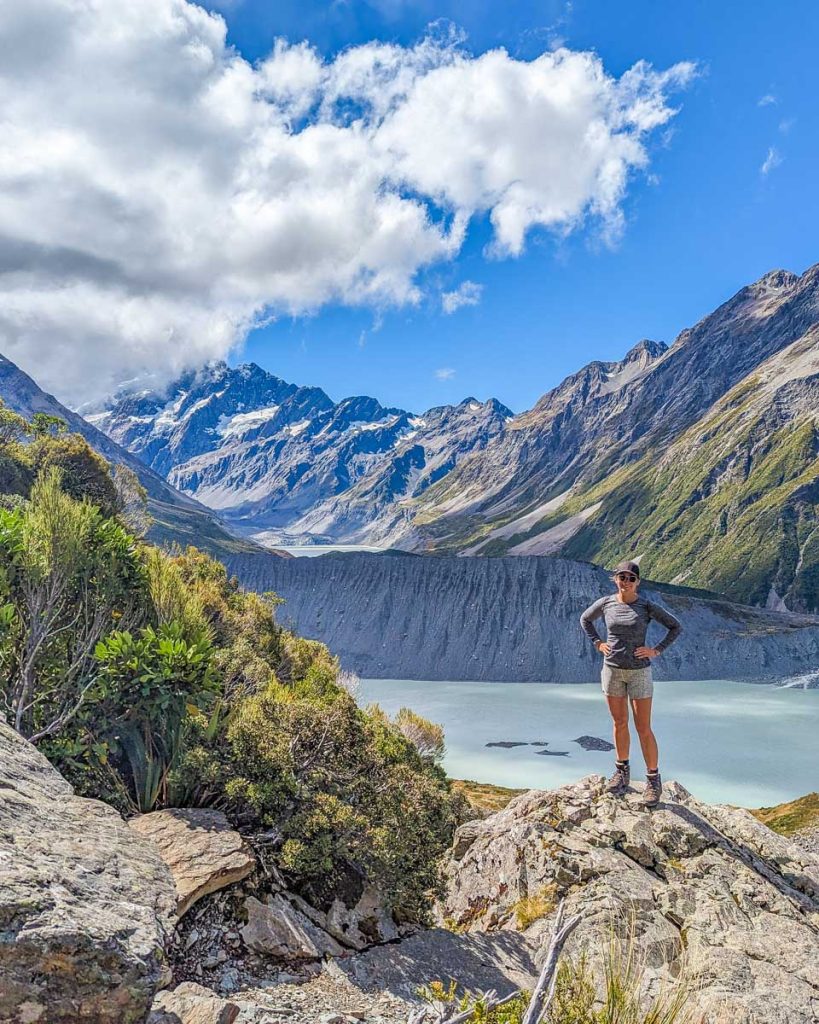
New Zealand consists of a number of different islands with varying climates. Most of the country has mild temperatures with high rainfall. The mountains, however, can be extremely cold.The main portions of the country are the North and South islands that are separated by the Cook Strait. The North Island is 44,281 square miles (115,777 square kilometers) and consists of low, volcanic mountains. Because of its volcanic past, the North Island features hot springs and geysers.The South Island is 58,093 sq mi (151,215 sq. km) and contains the Southern Alps—a northeast-to-southwest oriented mountain range covered in glaciers. Its highest peak is Mount Cook, also known as Anoraks in the Maori language, at 12,349 feet (3,764 meters) above sea level. To the east of these mountains, the island is dry and made up of the treeless Canterbury Plains. On the southwest, the island’s coast is heavily forested and jagged with fjords. This area also features New Zealand’s largest national park, Fiord land. required by the institution you will apply to. We will correspondence with the university and college regarding your application and collect your Offer Letter once your application is accepted.
Nature of New Zealand:
Because of its remote location, New Zealand is rich in unusual wildlife not seen anywhere else in the world. Nearly all the land animals are birds and many of these species have lost the ability to fly. The Maori people and European settlers introduced animals to the islands and the flightless birds had no defense against them.In the last 1,000 years, half of all animals on the islands have become extinct. Deforestation and draining of swamp land is also threatening many remaining species, including the kiwi bird. Fewer than 75,000 wild kiwis remain. Several species are recovering, including the kakapo, kokako, kiwi, and tuatara.
Why study in New Zealand
All you need to know
NEW ZEALAND: A GREAT CHOICE FOR STUDYING ABROAD

GOVERNMENT & ECONOMY:
New Zealand is one of the world’s best places to live and study. Discover our internationally-renowned education system and unbeatable lifestyle. New Zealand is one of the safest and most beautiful countries in the world. With excellent study opportunities and world-class education, it has become one of the most attractive destinations for international students. Due to its low cost of living and exclusive facilities, large number of international students choose to study in New Zealand every year.
1. Globally recognised qualifications:
All eight universities of New Zealand consistently rank high in QS World Rankings* and Times Higher Education Rankings, and qualifications from any of these are accredited across the globe, opening doors to prospects everywhere. The New Zealand Qualifications Authority (NZQA) also ensures that institutions are registered to enroll international students and comply with qualifications standards.
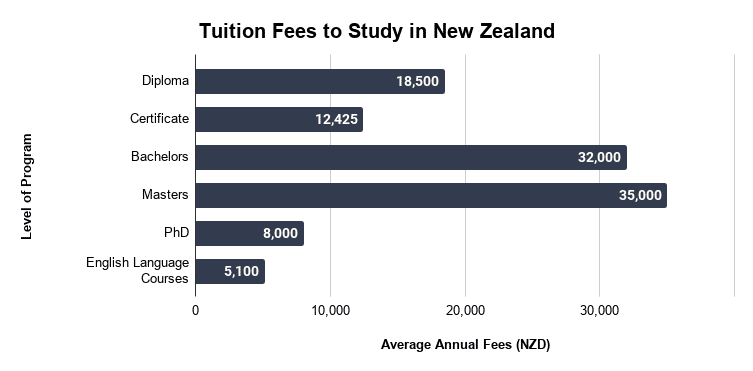
2. Tuition Fees & Expenses:
New Zealand is the perfect study abroad destination for Indian Students due to its lower annual tuition fees and low cost of living for many courses. The living expenses in New Zealand are cheaper than other study abroad destination like Canada, UK, the U.S and Australia. Fresh Food, accommodation options and transport facilities are easily available at affordable costs in the country.
Approximate Cost of the Course at Universities:
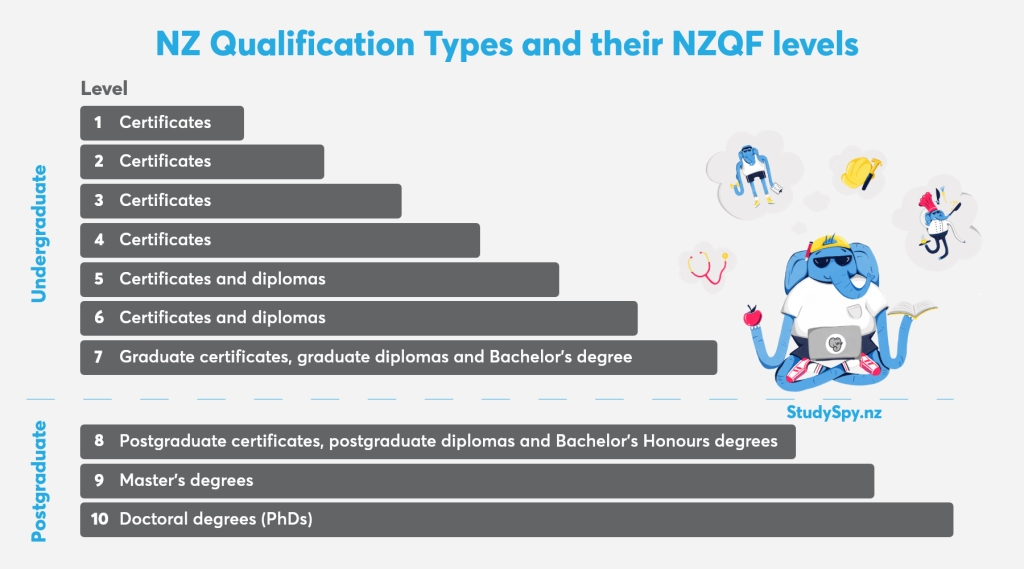
- Undergraduate – $18000 – $25000
- Post Graduate – $25,000 – $40000
3. Quality Learning:
The New Zealand education system is based on the British education model. New Zealand’s higher education programs are well known for their quality of teaching and advanced facilities. The government of New Zealand gas excellent quality assurance systems to monitor and ensure quality education. Students can immensely benefit with their practical oriented education and excellent teaching standards.

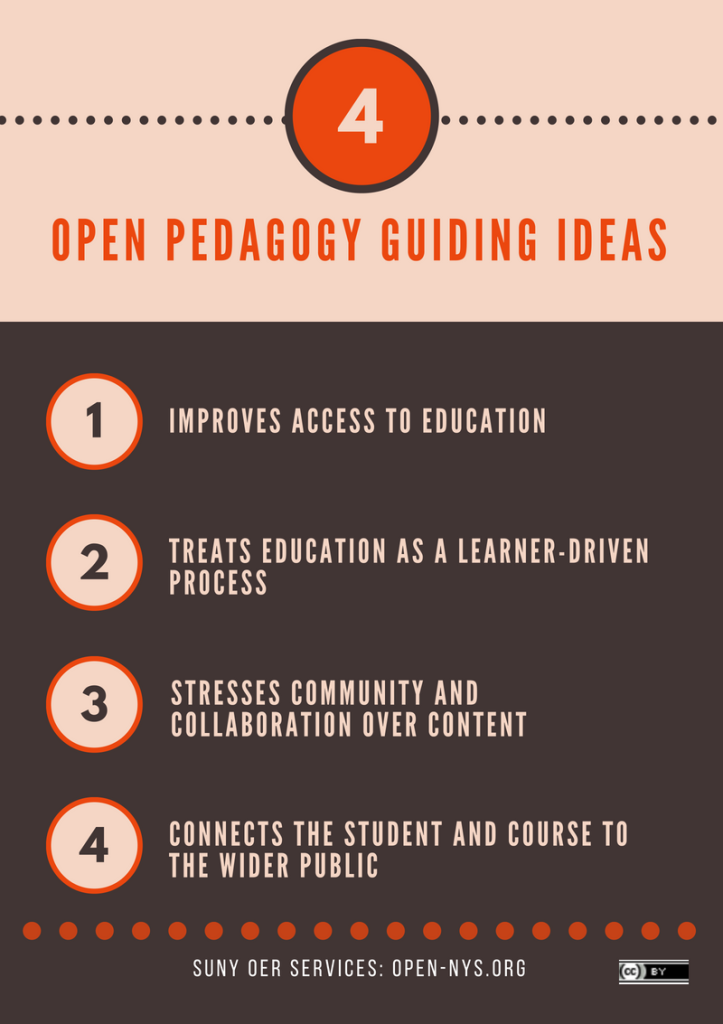
4. Excellent pedagogy:
Influenced by the UK education system, New Zealand focuses on research-based teaching, which means you will learn dealing with situations in a systematic and an organized manner. You’ll be taught how to work independently as well as in a team at various levels. Studying here will encourage you to think critically, question and benefit from student-teacher interaction. You’ll also be implementing the concepts learnt in the classroom and develop different approaches towards solving a problem.

5. Innovation and research:
New Zealand provides abundant opportunities in research for students. The country boasts of highly experienced faculty, well-equipped laboratories, access to latest technology, equipment’s, and opportunities. Its innovative spirit has made it a hub of new technologies, research and development in various fields such as healthcare, physics, geology, engineering, astronomy, computer science, agriculture, etc. Add to it, the Nobel prizes that the country has in its kitty simply reinstate the significance and vast scope of research in New Zealand.
All you need to know
History about New Zealand:
New Zealand has a progressive policy towards working rights for international students. You are allowed to work for a set number of hours while you are studying, and you will be eligible to apply for a three-year open post-study work visa after you graduate from university.
All you need to know
Work While Studying:

Students want to work while studying to meet their living expenses and get experience. Students studying in New Zealand can work while studying. With student visa, students can work 20 hours weekly during the study and full time during scheduled holidays. There are many part-time opportunities available in sectors like retail, hospitality, banking, finance etc. Some students find a part-time job in their specific university.
Benefit
TERTIARY STUDENTS:
Part-time work:
Your visa conditions will allow you to work up to 20 hours a week if you are doing a full-time course that:
● is at least 2 academic years in duration, or
● is at least 1 academic year in duration and part of an approved tertiary student exchange scheme, or
● Results in a New Zealand qualification which gains points under the Skilled Migrant Category.
Full-time work
Your visa conditions will allow you to work full-time during scheduled breaks in study if all of these apply:
● you are studying full-time for at least 1 academic year
● your course is worth at least 120 credits, and
● Your course is delivered over a period of at least 8 months (minimum two semesters).
Your visa conditions will allow you to work full-time during the Christmas and New Year holiday period if:
● you are studying full-time, and
● Your course has a minimum duration of 2 semesters during a period of at least 8 months.

All you need to know
PhD and Masters by research students
New Zealand is one of the world’s best places to live and study. Discover our internationally-renowned education system and unbeatable lifestyle. New Zealand is one of the safest and most beautiful countries in the world. With excellent study opportunities and world-class education, it has become one of the most attractive destinations for international students. Due to its low cost of living and exclusive facilities, large number of international students choose to study in New Zealand every year.
After Study:
After you have completed an undergraduate or postgraduate degree at a New Zealand university, you will be able to apply for an up to three-year open post-study work visa. This means that you can remain in New Zealand to look for work for up to three years. The visa conditions are open, meaning you can work for almost any employer and won’t be restricted to a specific job or location. If your degree is needed for occupations that have skills shortage in New Zealand then that may increase your chances of getting employment here after you graduate.

APPLICATION PROCEDURE
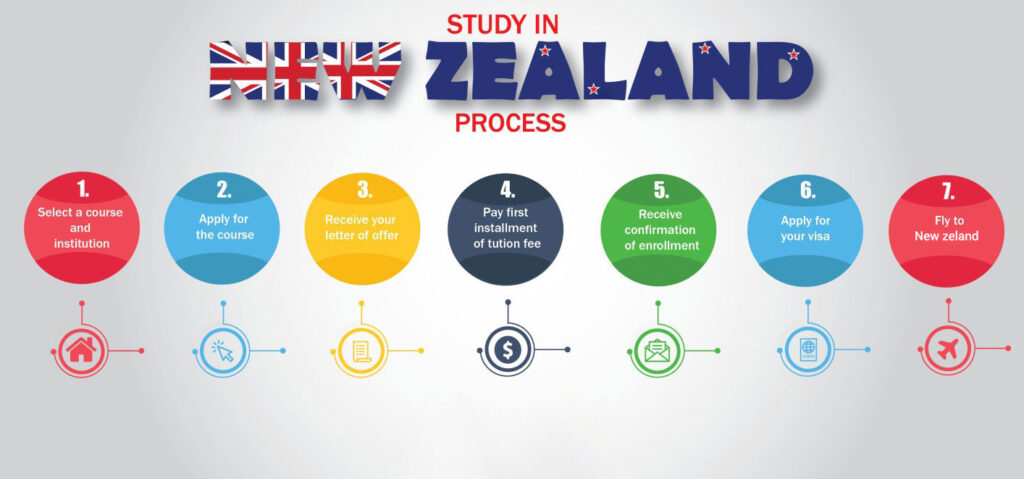
Required Documents:
- Your passport, valid for the duration of your studies plus one month.
- Two Photograph (With White Background)
- A letter of acceptance from a Canadian educational institution confirming name and length of the program, tuition fees, living expenses, semester for which the admission is valid and last date for registration.
- All educational documents, including marks sheets (SSC, HSC, Bachelors, Masters or other post- secondary, college, vocational or university diploma, certificate or degree).
- Proof of funds sufficient to cover your tuition and living expenses for your first year of study in Canada.
- You must provide a one year statement of transactions from personal bank account(s) (an original certified bank issued statement or a certified copy of passbooks), as well as fixed deposit certificates, savings certificates, PSP certificates or any other proof of savings.
- You must also demonstrate that sufficient funds will be available to support yourself during the whole duration of your program.
- Confirmation of any scholarship, grant, teaching or research assistantship including name of the providing institution or organization, amount per semester or year and duration.
- If some or the totality of your funds are provided by a sponsor (either parents or third party) you must also include:
- Notarized declaration of sponsorship. If you have more than one sponsor, a separate declaration must be provided for each sponsor. However, sponsors who are husband and wife can appear on the same declaration.
- Details of assets and income for each sponsor with supporting documents such as property documentation, land deeds, rent agreement, business license, business tax information, employment letter with salary information.
- You must also provide the income tax forms (tax assessments and tax paid receipts showing total income and amount of income tax paid) for the past two years.
- If someone other than yourself or your parents is providing funds you must include:
- Letter of explanation as to the reason why this person is assisting
- Number of persons living in this persons household
- Proof of this persons relationship to you; birth, marriage or school certificates, passport.
- Affidavits or self-declarations are not acceptable proof of relationship.
- Proof of employment for yourself, if applicable, and your parents (employer’s full name, address, phone number, name of supervisor with his phone number, length of service and salary details).
- Your police clearance certificate and your birth certificate
- Proof of Tuition fee payment
- Visa Application forms
- 2 complete photo copy sets of all the above attested and notarized.
Let’s Discuss Your Future at Off 2 Abroad
Join us to explore your study abroad options and see how our expert team can support your educational journey. We’re excited to help you achieve your global academic goals!